🐟Ocean Basket Recipe HubRecipes, methods & SOPs
πŸ‡ΏπŸ‡¦South AfricaπŸ‡¨πŸ‡ΎCyprus
← Back to recipes
Download PDF
IngredientsMethodSafety
Halloumi Cheese
πŸ‡¨πŸ‡Ύ CyprusTop Ups

βž• Halloumi Cheese

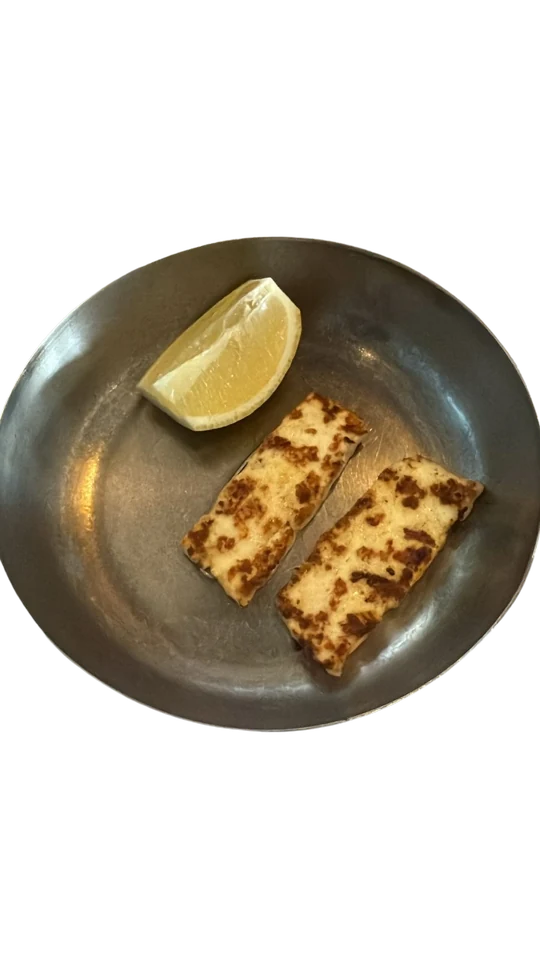
Plating: Small Pan

Dairy

Ingredients

  • β€’Fried
  • β€’60g halloumi (2 slices)
  • β€’5ml Rapeseed Oil
  • β€’Grilled
  • β€’60g halloumi (2 slices)
  • β€’5ml Rapeseed Oil

Garnish

  • β€’1 lemon wedge

Equipment

  • Flat top grill
  • Spatula
  • Deep Fryer

Method

  1. 1Grilled: Using the Rapeseed Oil , grill the halloumi on the flat top for approx. 2 mins on each side, until golden brown.
  2. 2Fried: Deep fry the Halloumi for approx. 1 min. Drain off any excess oil.
  3. 3Place the halloumi in a hot starter pan.
  4. 4Garnish with a lemon wedge

Plating

Small Pan

Food Safety & Handling

What the SOP says about the ingredients in this recipe.

VEGETABLES & DAIRY PRODUCTScheese
SOP 6 Β· Bar and Deli
Feta Cheese (Removed from Brine) 3 Days Cucumber Uncut 5 Days Cut Cucumber 2 Days Onions 7 Days Onions Cut 3 Days Green Peppers Whole 7 Days Green Peppers Cut 3 Days Tomato Whole 7 Days Olives In Brine 7 Days Zucchini Whole 7 Days Zucchini Cut 2 Days Lemons Whole 7 Days Lemons Cut 2 Days Baked Yogurt cheesecake (refrigerated) 3 days Baklava (decanted into food safe seal able container) 1 week at ambient Baklava (2 or 3 portions stored in a glass seal able display container) 2 days at ambient Avo crema 3 days Curry mayo 2 weeks Pre-made Halal Curry mayo 3 days Zucchini brined 3 days after portioning Zucchini in brine 24 hours Prepared couscous 3 days Fresh herbs whole 1 week Fresh herbs chopped 24 hours Peaches chopped 1 week Pickled Red onion two weeks
COLD ROOM INGREDIENTScheese
SOP 9 Β· Food Book
Fresh vegetables and herbs Dairy products Prep products Fresh salmon Fresh oysters Seafood defrosting overnight Feta Cheese (Removed from Brine) Cucumber Uncut Cut Cucumber Onions Onions Cut Green Peppers Whole Green Peppers Cut Tomato Whole Olives In Brine Zucchini Whole Zucchini Cut Lemons Whole Lemons Cut Baked Yogurt cheesecake (refrigerated) Baklava (decanted into food safe seal able container) Baklava (2 or 3 portions stored in a glass seal able display container) Avo crema Curry mayo Pre-made Halal Curry mayo Zucchini brined Zucchini in brine Prepared couscous Fresh herbs whole Fresh herbs chopped Peaches chopped Pickled Red onion
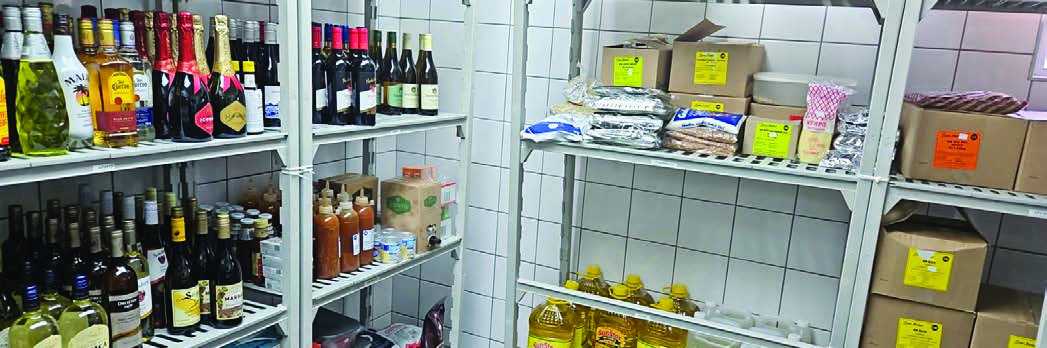
DRY STORAGEcheese
SOP 13 Β· General Storage
i. The temperature of the dry storeroom is between 10 and 20Β° C and is clean, dry, and well-ventilated. The minimum standards for this area are: i. Food Rotation: We need to always ensure that we practice food rotation. All food that comes into the restaurant must be dated prior to being moved to cold storage. In the restaurant itself, we must ensure that older products are accessible and used first. The first food in should be the first food out. Practice FIFO (First-In First-Out). To make this process (and the regular stock takes) easier, label your shelves according to what is stored on them. ii. Temperature: One of the biggest spoilers of food and food quality is temperature. Always ensure that your cold room is set at a temperature between 2Β°C and 4Β°C / 35Β°F and 39Β°F. The danger zone for bacteria to grow is above 5Β°C / 41Β°F, so as far as possible, the temperature must always be below this. To ensure temperatures are kept low, install an air curtain at the door. This prevents cold air from escaping when the cold room is opened. iii. Time: A major non conformance with cold storage occurs during the time between receiving the stock and the eventual storage in the cold room. It is essential to reduce the time stock stands outside of the cold room. Dunnage racks can assist with placing product close to the cold storage area which will allow for quicker packing and less time with fridge doors open. iv. To reduce risk: Never store any items on the floor. As with all storage areas, make sure that items are stored approximately 20cm off the floor and about 15β€”20 cm away from walls. This facilitates airflow and makes cleaning duties easier and assists with pest control. Further to this, no item should be closer than 60 cm from the roof of the cold storeroom. Any damaged items in the restaurant must be separated from the rest of the items so they can be checked for contaminants. Always ensure that the heavier items are stored lower to the ground to prevent shelves from becoming top heavy. Also store liquids separately to reduce the risk of leakage damaging other products. Always store cooked food items separate from raw food items. Also separate any food items into categories, e.g., prawns with prawns, cheese with cheese, calamari with calamari. Do not allow cross-contamination to take place. Products that are out of spec or not good for sale should be labeled and sealed NOT for SALE and stored on a separate shelf away from any other products. v. Suitable containers: To ensure that we eliminate bacteria growth, we must make sure that all items are stored in suitable containers. Often fresh produce will arrive in wooden crates or cardboard boxes. These items must be placed in suitable plastic containers for storage (as mentioned above). All containers must be sealable, as it is sometimes necessary to keep items with a strong smell closed. Plastic containers should be used in the cold room when removing items from their original packaging. For defrosting items, make sure there is a drainage shelf in the container, so the defrosting items do not lay in the juices that run off when we are defrosting.
DRY STORAGE
FREEZERcheese
SOP 13 Β· General Storage
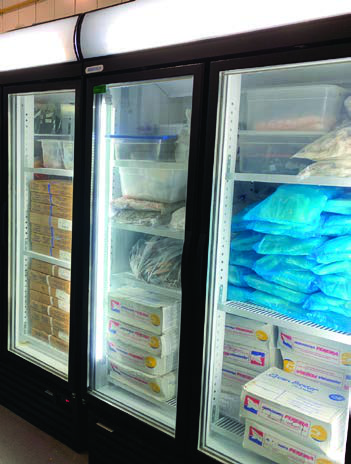
Boxes must be stored at least 20cm off the floor Group product together, i.e. All prawns on one shelf, fish on another, chips on a stainless-steel crate or dunnage rack after stainless steel crate, as it is the bulkiest. Keep ice creams and desserts on a separate shelf Monitor defrost cycles closely and check for condensation Clearly date master boxes and smaller boxes The minimum standards for this area are. i. Food Rotation: We need to always ensure that we practice food rotation. All food that come into the restaurant must be dated prior to being moved to the cold storage. In the storeroom itself, we must ensure that older products are accessible and used first. The first food in should be the first food out. Practice FIFO (First-In First-Out). To make this process (and the regular stock takes) easier, label your shelves according to what is stored on them. ii. Temperature: One of the biggest spoilers of food and food quality is temperature. Always ensure that your cold room is set at a temperature between –18Β°C and –20Β°C / -0,4Β°F and –4Β°F. To ensure temperatures are kept low, install an air curtain at the door. This prevents cold air from escaping when the cold room is opened. iii. Time: A major non conformance with cold storage occurs during the time between receiving the stock and the eventual storage in the cold room. It is essential to reduce the time stock stands outside of the freezer room. The rule of storage says that, when receiving products, you always pack away frozen goods first, perishable items for the cold room second, dry goods third, packaging, stationery, and consumables fourth and chemicals and cleaning equipment last. iv. Storage for Risk Reduction: Never store any items on the floor. As with all storage areas, make sure that items are stored approximately 20cm of the floor and about 5β€”20 cm away from walls. This facilitates airflow and makes cleaning duties easier and assists with pest control. Further to this, no item should be closer than 30 cm from the roof of the cold storeroom. Any damaged items in the restaurant must be separated from the rest of the items so they can be checked for contaminants. Always ensure that the heavier items are stored lower to the ground to prevent shelves from becoming top heavy. Also store liquids separately to reduce the risk of leakage damaging other products. Always store cooked food items separate from raw food items. Also separate any food items into categories, e.g., prawns with prawns, cheese with cheese, calamari with calamari. Do not allow cross contamination to take place. Seafood waste is often frozen and discarded weekly. Clearly mark waste product, cover it completely and store in a specific area of the freezer. v. Suitable containers: To ensure that we eliminate bacteria growth, we must make sure that all items are stored in suitable containers. Frozen goods already come in suitable containers. We must never open these containers when storing items. Leave them as they are. When a box or container is damaged, we normally remove the items from the damaged box and place them in suitable, sealable plastic containers. Do not use metal as they become too cold, and items may freeze to the metal and get freezer burn. We also never store food items in glass in the freezer. The water in the product will expand to freeze and could burst the glass container. section f: CONTAINER STANDARDS
FREEZER